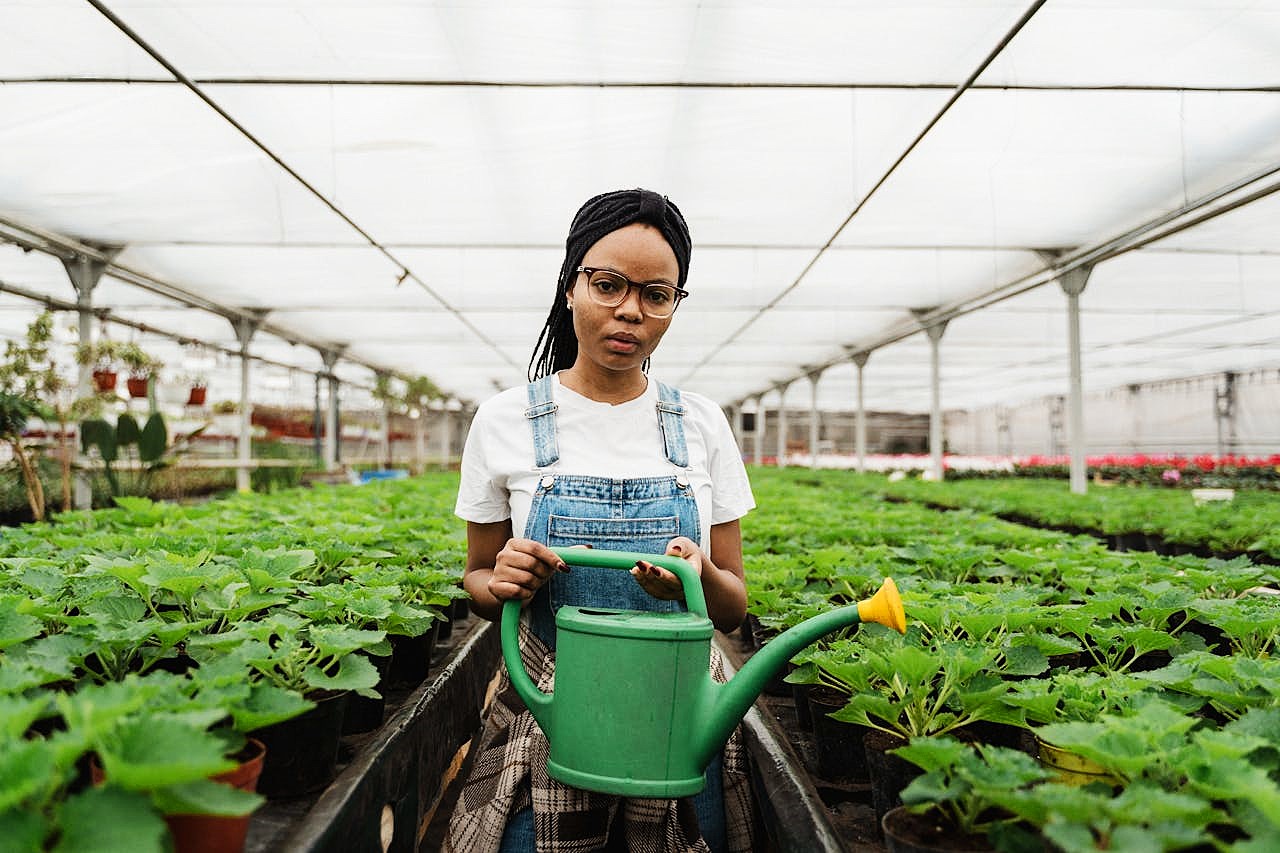

The United States of Africa stands at a pivotal moment in its agricultural journey, with the potential to transform its vast resources into a sustainable and prosperous food system. By embracing innovative cooperative models and focusing on organic farming practices, Africa can not only achieve food security but also become a global leader in sustainable agriculture.
The Songhai Farm Model: A Blueprint for Success
The proposed network of self-supported farms and research centers, inspired by the Songhai farm model, represents a holistic approach to agricultural development. The Songhai Center in Benin has already demonstrated the power of integrated farming systems, combining crop production, animal husbandry, and aquaculture with value-added processing. By adapting this model to various African regions, we can create a robust and diverse agricultural landscape.
Organic Farming: Africa’s Green Revolution
The focus on organic farming and the creation of an African Organic Farming Certification aligns with global trends towards sustainable agriculture. This approach draws parallels with successful organic movements in other parts of the world, such as the growth of organic farming in India, which has become a global leader in organic production.
The African Organic Farming Certification can build upon existing standards like the East Africa Organic Product Standard (EAOPS), which has already made strides in promoting organic agriculture in the region. By developing a continent-wide certification, Africa can ensure consistent quality and build trust in its agricultural products both domestically and internationally.
Empowering Farmers Through Cooperatives
The emphasis on food cooperatives and profit-sharing mechanisms echoes successful models from around the world. For instance, the Amul Cooperative in India revolutionized the dairy industry by empowering small-scale farmers. Similarly, the Mondragon Corporation in Spain has demonstrated the power of worker-owned cooperatives in creating sustainable businesses and equitable wealth distribution.
Building Resilient Infrastructure
The proposed network of plant nurseries, hatcheries, and modern warehouses addresses critical gaps in Africa’s agricultural infrastructure. This comprehensive approach is reminiscent of China’s successful efforts to modernize its agricultural sector, which included significant investments in rural infrastructure and technology.
Challenges and Opportunities
While this vision presents immense opportunities, it also faces challenges:
- Overcoming barriers to organic certification, particularly for small-scale and BIPOC farmers
- Ensuring equitable access to resources and markets for all farmers
- Adapting technologies to local conditions and needs
- Building trust in certification systems and cooperative models
However, these challenges are outweighed by the potential benefits:
- Increased food security and reduced dependence on imports
- Improved farmer livelihoods through fair profit-sharing mechanisms
- Enhanced environmental sustainability and biodiversity conservation
- Positioning Africa as a global leader in organic and sustainable agriculture
Conclusion
The cooperative-based, organic-focused agricultural model represents a transformative vision for the United States of Africa. By learning from successful models worldwide and adapting them to the African context, this approach has the potential to create a more resilient, equitable, and sustainable food system for all Africans.
As we move forward, collaboration between governments, farmers’ organizations, research institutions, and the private sector will be crucial to realizing this vision. The future of African agriculture is not just about feeding the continent; it’s about nurturing the land, empowering communities, and building a united, prosperous Africa that can lead the world in sustainable food production.