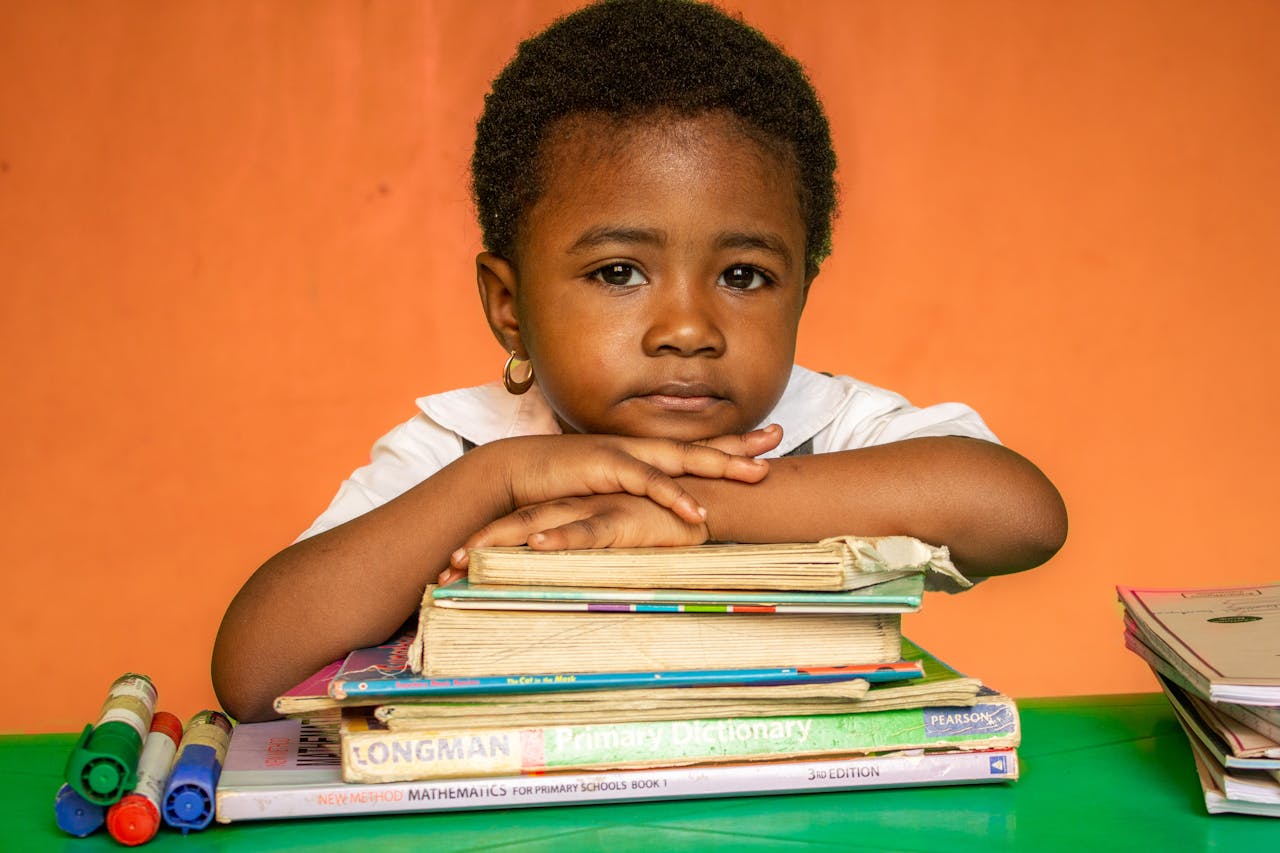

In the quest for a united and prosperous Africa, reimagining education is crucial. The proposed Student-Centered Education System for the United States of Africa presents a holistic approach that places the student at the heart of the learning process while integrating all aspects of society. This innovative model draws inspiration from successful educational practices worldwide and adapts them to the African context.
The Student: The Nucleus of Education
At the core of this system is the student, around whom all educational efforts revolve. This approach echoes Finland’s highly successful education model, which prioritizes student well-being and individual growth over standardized testing. By fostering a love for learning and developing valuable skills, we aim to create well-rounded individuals who can contribute meaningfully to society.
Parental Involvement: A Crucial Partnership
The system recognizes parents as key partners in education, similar to the Japanese education system where parental involvement is deeply ingrained. By training parents to support their children’s academic journey, we create a seamless learning environment between home and school. This approach has shown success in countries like Singapore, where parent education programs have contributed to high academic achievements.
Empowered Teachers: The Pillars of Quality Education
The proposed model elevates teachers to a status comparable to engineers, reminiscent of Finland and South Korea where teaching is a highly respected and competitive profession. By limiting class sizes and balancing teaching with preparation and parent-student interactions, we can ensure high-quality instruction. This approach has proven effective in countries like Estonia, which consistently ranks high in international education assessments.
Administrative Support: The Backbone of the System
The administrative support team acts as a bridge between various stakeholders, similar to the role of education boards in countries like Canada. By collecting and analyzing data on student progress, this team can provide tailored guidance, ensuring each student receives an education that aligns with their interests and abilities.
Government Oversight: Ensuring Accountability and Progress
Government involvement in education is crucial for maintaining standards and driving improvement. Countries like Singapore have demonstrated how strong government support and oversight can lead to world-class education systems. Regular stakeholder meetings can help in continuously refining the system to meet evolving needs.
Labor Market Integration: Bridging Education and Employment
By involving the labor market in education, we can ensure that students are prepared for the workforce. This approach is similar to Germany’s dual education system, which combines classroom learning with practical work experience. Regular interactions between students and various organizations can help in aligning education with economic needs.
Community Engagement: Fostering Holistic Development
The inclusion of community elements in education echoes the African philosophy of Ubuntu – “I am because we are.” This approach can be seen in action in countries like Ghana, where community involvement in education has led to improved outcomes. By encouraging critical thinking and problem-solving skills, we can nurture future leaders who are deeply connected to their communities.
Conclusion
This Student-Centered Education System represents a bold vision for the United States of Africa. By drawing inspiration from successful global models and adapting them to the African context, we can create an education system that not only produces academically strong individuals but also fosters creativity, leadership, and a deep sense of community responsibility.
As we move forward, it will be crucial to implement this system gradually, allowing for adjustments based on feedback and results. With commitment and collaboration from all stakeholders, this innovative approach to education can become the cornerstone of a prosperous and united Africa, equipping its youth to tackle the challenges of the 21st century and beyond.